
Elevator and Hallway Tips for Apartment E-Bikes
Apartment e-bike life is rarely about one staircase. It is about repeated little hassle points: lobby doors, hallway corners, elevator depth, wet tires, battery removal, and not annoying everyone in the building.
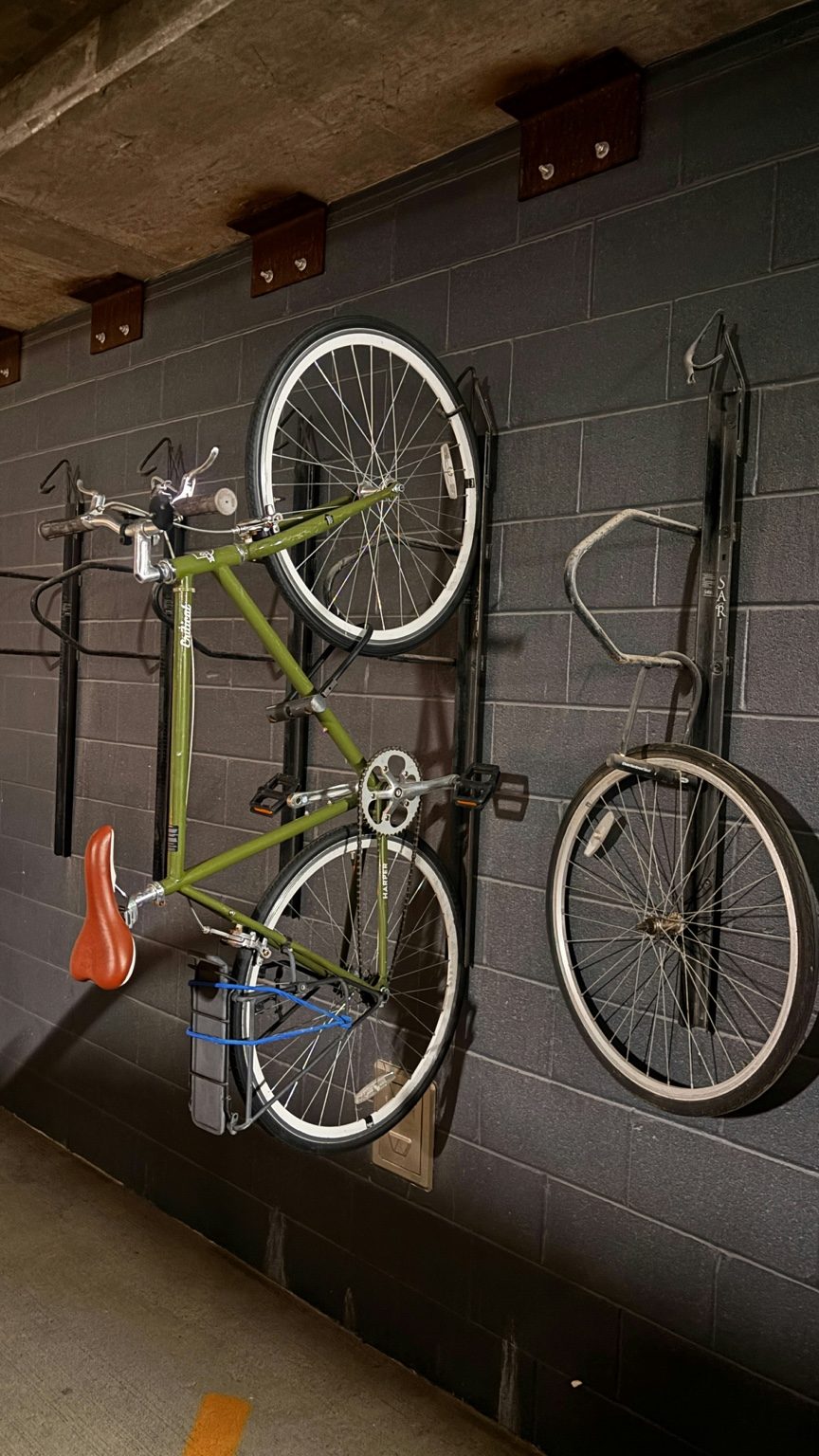
Quick take
- Measure the building before you buy the bike, not after.
- Shorter overall length, lower weight, and cleaner cockpit shape matter more in a hallway than one more spec-sheet feature.
- Your goal is a bike you can move indoors calmly, quickly, and without bumping walls or neighbors.
What actually causes apartment storage challenges
The biggest problem is rarely just total weight. It is awkwardness. Wide bars, long wheelbases, bulky front baskets, floppy kickstands, and non-removable batteries can make a bike feel much harder indoors even if the raw weight difference is small.
Check these dimensions before you buy
Measure the route, not just the storage spot
- front door width and whether it self-closes aggressively
- lobby turn radius and hallway pinch points
- elevator door opening and elevator depth
- the angle needed to get into your apartment
- whether the battery comes out easily before the indoor maneuver
Practical hallway tactics
- Remove the battery first if that meaningfully reduces the awkward weight.
- Turn the bike around early rather than trying to pivot at the tightest point.
- Use a stable parking habit so you are not fumbling with bags and doors at the same time.
- Keep wet grit under control with a simple mat or wipe-down routine in bad weather.
What makes a bike apartment-friendly
The best apartment bikes usually have some combination of lower weight, short overall footprint, removable battery, predictable steering, and a shape that does not stick out in every direction. That is why some folding or compact bikes can be worth extra money even when a cheaper non-folding bike looks similar on paper.
What makes a bike apartment-hostile
- long cargo-bike length in a building that barely fits a regular bike
- heavy frames with no easy battery removal
- wide bars plus large front baskets
- step-through frames that are easy to mount outdoors but still very bulky indoors
How to reduce daily annoyance
Think about the full routine: unlock building door, manage groceries or a backpack, move through common areas, and park without scraping walls. A bike that feels only slightly too big will feel much worse on day 40 than it did in the showroom.
What makes a bike hallway-friendly
The bikes that feel easiest in apartment buildings are not always the lightest. They are the ones with clean shapes, manageable length, stable kickstands, and enough balance that you can roll or pivot them without fighting the bars. A lower center of gravity and a removable battery also help because the bike feels less top-heavy in slow indoor moves.
Do a route test before you buy
- Measure door width and the tightest hallway turn.
- Check whether the elevator allows you to enter nose-first and exit without a multi-step pivot.
- Think about what happens when someone else is already in the hall or elevator.
- Be honest about whether the bike has to stand vertically, lean, or live beside other household clutter.
Easy ways to make a hard building more workable
- remove the battery before indoor moves if the bike feels top-heavy
- store bags, kid gear, and loose accessories separately so the bike shape stays cleaner
- use wall guards, a rubber mat, or a dedicated parking corner so daily parking is repeatable
- choose pedals or bars that do not turn every hallway pass into a snagging event
Bottom line for apartment buyers
If the route from street to storage feels awkward in your head, it will usually feel worse at 7:30 p.m. when you are tired and carrying groceries. Pick the bike that fits the building routine, not just the one that looks most impressive outside.
Practice the hallway routine before move-in day logic becomes your problem
Apartment frustration usually comes from sequence, not strength. The hard part is often opening a door, holding the bike straight, clearing a pedal, and not clipping a wall with the bar or rear rack. If a bike only works when you can line it up perfectly every time, it is probably a poor apartment fit. A slightly lighter bike, a more compact wheelbase, or a removable battery can matter more than another few miles of claimed range.
- measure the narrowest doorway, not the easiest doorway
- pay attention to pedal position when turning through tight spaces
- remove bags and baskets that create width before blaming the frame
- store the charger where the final parking move ends, not where you wish it ended
Bottom line
Apartment e-bike success comes from making the indoor route easy and repeatable. Measure carefully, prioritize removable-battery practicality and manageable shape, and buy the bike that feels calm in shared spaces, not just good out on the street.