
How to Store an E-Bike Battery Long Term
If the battery will sit for weeks or months, the goal is simple: do not leave it empty, do not leave it baking somewhere hot, and do not treat long-term storage like everyday charging.
Quick take
- Store the battery indoors in a dry room, not in a hot shed, freezing garage, or parked car.
- Partly charged is the safe default. Bosch says roughly 30% to 60% charge for longer-term storage.
- Check the battery every few weeks or so if it will sit for a long stretch. Long-term storage is not set-it-and-forget-it forever.
The simple rule that keeps most owners out of trouble
Think cool, dry, indoors, and partly charged. That is the practical version of most major-system guidance. You are trying to avoid the two easy mistakes: storing it full because that feels "ready," or storing it empty because you forgot about it.
What good long-term storage looks like
- room-temperature indoor space with no major temperature swings
- battery protected from direct sun, heaters, and damp floors
- charge level somewhere in the middle instead of 100% or near-zero
- charger stored nearby so topping up later is easy and you do not improvise with the wrong one
- clear shelf, cabinet, or bin where the battery will not get knocked around
What owners get wrong
The biggest mistake is using the same routine for daily use and off-season storage. Daily riders may charge more often and keep the battery near ready-to-ride. That is different from parking the bike for six weeks over winter, leaving for part of the summer, or storing a second battery you barely use.
The second mistake is assuming the garage is automatically fine. A stable attached garage may be okay for some households, but many garages swing too hot in summer and too cold in winter. If you would not want electronics sitting there long-term, the battery probably should not either.
Should you remove the battery from the bike?
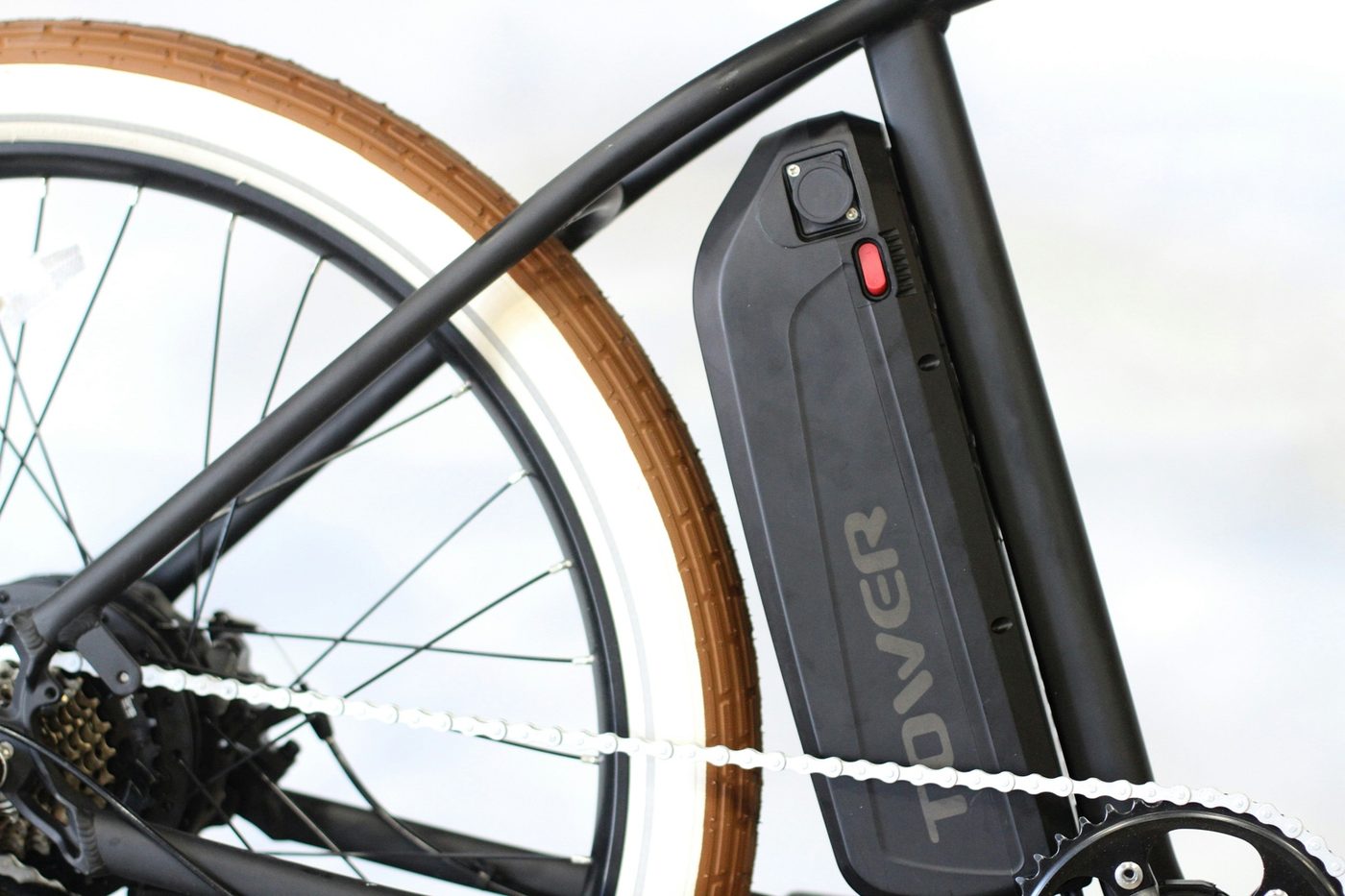
Usually, yes, if it is easy to remove and the bike itself will sit somewhere less climate-controlled. Removing it lets you store the expensive and temperature-sensitive part in the best spot, even if the bike lives in a garage, shed, or shared building storage area.
It also gives you a better chance of noticing swelling, case damage, loose terminals, or a charge level that has drifted too low.
How often should you check it?
For storage measured in weeks, a quick glance is usually enough. For storage measured in months, check the charge level periodically and top it up only as needed. The point is not to keep it full. The point is to stop it from sitting deeply discharged for a long time.
When storage advice should change your bike choice
If you live in an apartment, deal with outdoor bike parking, or expect winter/off-season storage, a removable battery is often worth more than buyers think. It turns a difficult ownership problem into a manageable one. A bike with a built-in battery can be fine for daily riding, but it is less forgiving when storage conditions are awkward.
Red flags that mean stop using it and get help
- the case looks swollen, cracked, melted, or wet
- the battery or charger gets unusually hot for no clear reason
- it smells strange, shows corrosion, or has visible terminal damage
- it was dropped hard, crushed, or involved in a crash
At that point, this stops being a storage question and becomes a service-and-safety question.
What long-term storage gets wrong most often
Most battery-storage mistakes are boring ones: leaving the battery fully charged for weeks, forgetting where it was left, or storing it somewhere that is technically indoors but still too hot, damp, or inconsistent. Good long-term storage is really about making the battery easy to check once in a while. Put it somewhere dry, room-like in temperature, and easy to remember, then set a reminder so it does not disappear into a closet for months. The goal is not babying the battery every day. It is preventing neglect. A battery that is stored carefully but forgotten completely can still create problems later.
- Good storage setup: dry shelf, stable temperature, and a reminder to recheck charge level.
- Poor storage setup: shed, trunk, damp basement corner, or a bag you will not open again for months.
- Best tiebreaker: store it somewhere you can actually monitor, not somewhere theoretically safe but easy to forget.
Bottom line
For long-term storage, the best routine is boring on purpose: indoors, moderate temperature, partly charged, checked occasionally, and charged with the original system. That is how you protect battery health without turning ownership into a ritual.