
Is E-Bike Financing Worth It?
Financing can make sense when it helps you buy the right bike once instead of settling for the wrong one. It is a bad idea when monthly payments quietly push you into more bike, more battery, or more features than your real riding need needs.
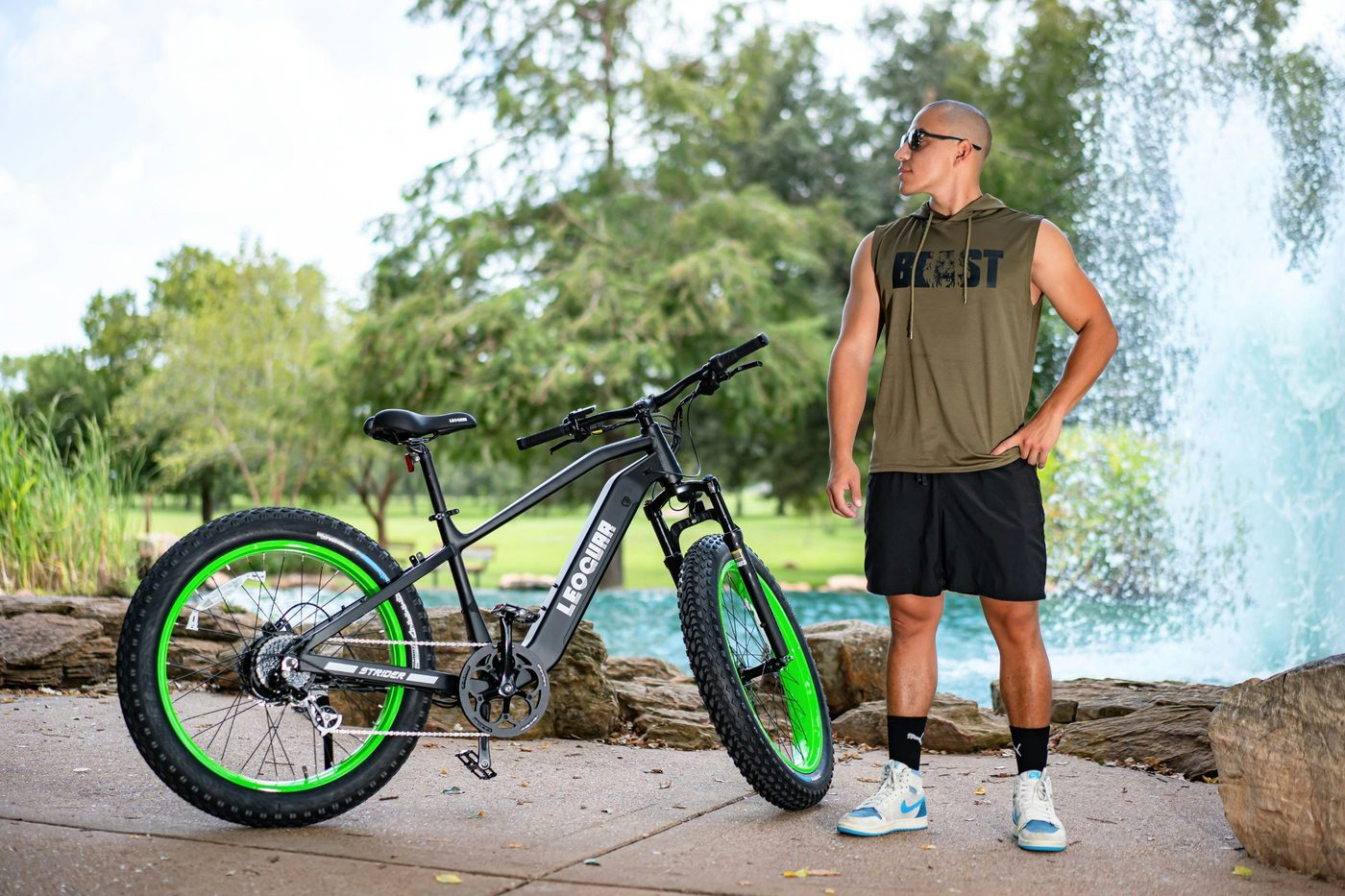
What financing is really buying you
Financing is not automatically good or bad. It is simply a way to move money around. The only time it truly helps is when it lets you buy the right category once instead of buying the wrong bike cheaply, regretting it, and replacing it later.
That means the question is not "can I afford the monthly payment?" The better question is "does the more expensive bike remove a real daily problem?" Hills, apartment carry issues, longer commuting distance, family hauling, and access to a better support network can all justify paying more. A prettier display, slightly bigger battery, or flashier spec sheet usually does not.
When financing usually makes sense
- the better bike clearly fits your route better and keeps you riding more often
- you are replacing meaningful car or transit trips and the bike will get daily use
- the more expensive option gets you into a stronger support ecosystem, better battery system, or better long-term parts story
- you could still afford reasonable maintenance, locks, accessories, and insurance after the payment starts
When financing is usually a bad move
- the monthly payment is being used to hide that the bike is simply too expensive for your real budget
- you still have not solved storage, charging, parking, or service access
- you are stretching into extra speed, extra battery, or extra bike without a riding need that actually needs it
- the payment leaves no room for the things that make ownership work in real life, like a proper lock, fenders, lights, or a child-carry setup
Run this quick decision test first
Good reason to finance
You know exactly which problem the pricier bike solves: steeper hills, longer ride length, family hauling, safer fit, or a much better service options.
Weak reason to finance
The bike mainly looks more exciting, has nicer numbers, or feels easier to justify because the payment sounds small.
Bad reason to finance
You are still undecided on category and the payment is becoming the main reason the purchase feels acceptable.
Do not forget the full ownership cost
Monthly payment math is where buyers get sloppy. The real first-year number also includes tax, lock setup, helmet, possible assembly or tune-up, accessories, and sometimes insurance. On a commuter or family bike, those extras are not optional fluff. They are part of making the purchase work.
That is why financing can feel affordable on paper but still create pressure later. A buyer who stretches too far on the bike itself often starts cutting the exact things that make the bike practical and secure.
Who should usually say yes
Daily commuters, apartment riders who need the right weight and battery setup, and families choosing between a true cargo bike and a compromise bike often have the best case for financing. Those buyers are not paying for novelty. They are paying to remove daily hassle.
Who should usually say no
Occasional weekend riders, buyers still unsure whether they even want an e-bike, and shoppers comparing vague "better specs" instead of real route needs should usually stay conservative. A simpler bike, a used bike from a strong seller, or more time spent clarifying the category is usually the smarter move.
When financing helps and when it just hides the real price
Financing helps when it moves you into the right bike for daily use without pushing the monthly cost past what the bike will realistically replace. It is less helpful when it becomes an excuse to buy a more expensive model that does not solve a real problem in your commute, storage, or hauling routine. The cleanest financing case is usually a commuter or family bike that replaces parking, transit, rideshare, or a chunk of second-car usage right away.
The risky version is when financing disguises a weak fit. A bike that is awkward to store, hard to charge, or too ambitious for your real route will still be awkward every month you are paying for it. Before saying yes to financing, compare the payment to the trips the bike will actually replace and make sure you are not financing a bike that mostly looked exciting on the product page.
The practical bottom line
Finance the right bike, not the most exciting bike. If the better bike clearly changes how often you ride, how safely you carry kids or cargo, or how easy the bike is to own, financing can be perfectly reasonable. If it mainly helps you ignore overbuying, it is probably not worth it.
Use these before financing talks you into more bike than you need
These guides help you figure out whether the bike you are stretching for is actually solving a problem that matters.