
Step-Through vs High-Step E-Bike
A practical comparison of step-through and high-step e-bike frames, including mounting ease, stiffness, cargo use, apartment life, and which frame usually feels better once the bike becomes part of a real routine.
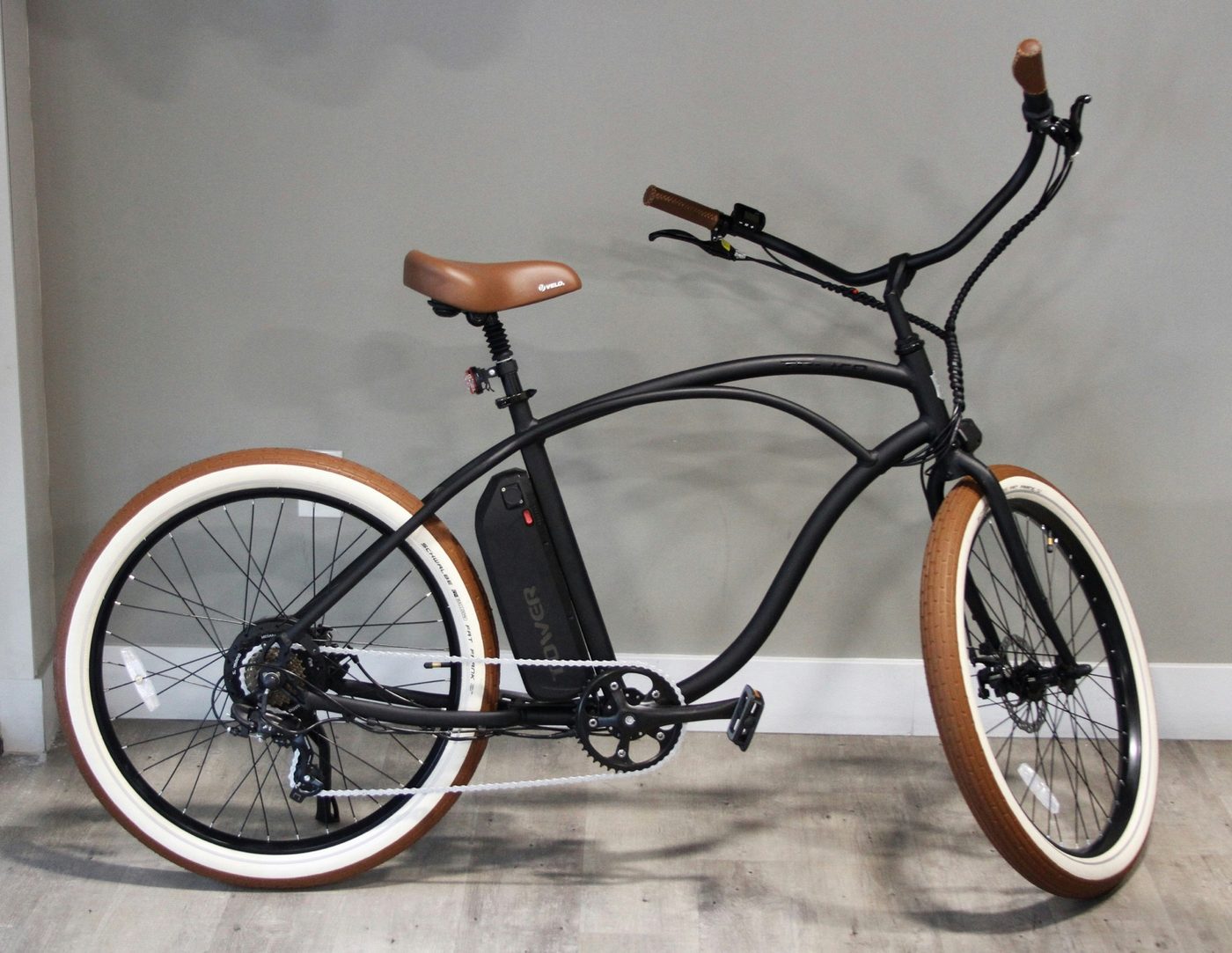
Quick take
- Step-through frames usually make more sense for commuting, errands, and family use because they are easier to get on and off every single day.
- High-step frames still make sense for riders who prefer a more traditional fit and never feel bothered by swinging a leg over the bike.
- For most buyers, this is less about performance mythology and more about how easy the bike feels at stoplights, curbs, parking racks, and home storage.
Usually choose step-through if…
- you ride in normal clothes, make frequent stops, or carry bags
- easy mounting and low-speed confidence matter more than image
- the bike may be used for errands, school runs, or by more than one rider
Usually choose high-step if…
- you already know you prefer that frame feel
- you almost never feel bothered by mounting height
- you want the bike to feel more like a traditional non-electric commuter or fitness bike
The short answer
Step-through usually wins for real life. A high-step frame is not wrong, but many buyers still treat it like the more serious default even when their actual use case is stop-and-go riding, groceries, apartment parking, or riding in everyday clothes. Once an e-bike becomes transportation instead of a weekend toy, easy mounting starts to matter a lot.
Why this choice shows up every day
This is not just a style decision. You feel frame choice when you start from a red light, stop on a slope, hop off to unlock the bike, load panniers, park in a hallway, or ride while stiff, tired, or carrying something awkward. That is why step-through often ages better. It removes a little friction every single time you interact with the bike.
Where step-through is clearly better
- Commuting: repeated stops make easier mounting matter.
- Errands: a loaded rack or basket makes clean on-and-off access more useful.
- Family use: utility and cargo bikes work better when the rider can step through instead of swinging around a seat, bags, or passenger setup.
- Apartment life: awkward hallways and doorway turns are easier when the bike feels less fussy.
- Confidence-first buying: riders coming back to bikes after years away usually benefit from the easier option.
Where high-step still makes sense
High-step frames still have a place. Some riders simply prefer the feel, fit, or look. On faster commuter bikes, sporty hybrids, and lighter traditional-style city bikes, a high-step can feel more familiar and direct. The key is to choose it because you genuinely like it, not because you think step-through is automatically a compromise.
What buyers usually misunderstand
The most common mistake is overvaluing theoretical stiffness and undervaluing convenience. Yes, a high-step can feel more conventional. But on many modern e-bikes, especially commuter and utility bikes, frame design and tire volume matter more to ride feel than old-school assumptions about top tubes. Meanwhile, easier mounting helps every day.
Who should strongly lean step-through
You should lean step-through if any of these are true: you are shorter, you stop often, you carry a child or cargo, you ride in work clothes, you share the bike, you have limited flexibility, or you know you want the bike to feel simple and low-drama. Those are not edge cases. That is most adult transportation use.
Who can safely ignore the step-through advantage
You can ignore the step-through advantage if you already ride confidently, never feel annoyed by a higher frame, and your bike use is mostly straightforward: cleaner routes, fewer stops, no passenger duty, no grocery awkwardness, no tricky hallway storage, and no need to mount quickly while loaded.
Bottom line
Buy the frame that removes friction, not the one that looks more serious on paper. For most commuters and utility riders, step-through is the smarter transportation choice. High-step is still valid, but it should be chosen on purpose, not out of habit.
Trying to choose the frame that will feel easier every day?
These pages help if the real question is confidence, fit, or whether the bike needs to work cleanly in daily life.
What changes once you live with the frame
Step-through versus high-step is easy to oversimplify as “easy access” versus “more traditional feel,” but the real difference shows up in daily repetition. Step-through frames are easier when you are carrying a bag, stopping often, wearing work clothes, dealing with a child seat, or getting on and off in a tight apartment hallway. High-step frames tend to feel more natural to riders who are already comfortable swinging a leg over a bike and who value that familiar posture over convenience.
This is why the better question is not which frame is “better,” but which one creates less friction over hundreds of starts, stops, and parking situations. A commuter who stops often or a smaller rider in city clothes may get more value from easy access than from a traditional frame shape. A rider doing faster, more open-road miles may care less.
Pick the frame that makes rushed days easier. Comfort in the real world matters more than abstract bike-shop preference.
How to use this page
This page is reviewed under ElectricBikeCompare editorial standards and published by Nofo Times LLC. The goal is to help you choose around fit, storage, charging, support, safety, and day-to-day ownership, not just the best-looking spec sheet. Where a page leans on manufacturer claims, we cross-check them against the practical tradeoffs buyers usually run into after purchase.
For the full site method, read How We Evaluate E-Bikes or contact info@electricbikecompare.com.