
Which E-Bike Accessories Are Worth Buying First?
Buy the accessories that solve daily hassle first, not the ones that just make the bike look more complete. For most adults, that means security, carrying capacity, weather practicality, and basic comfort before anything flashy.
Quick take
- Your first accessory budget should usually go to locks, lights if needed, and how you carry your stuff.
- Child-carrying and cargo bikes need accessory systems, not random add-ons.
- Good accessories make the bike easier to use every day. Bad accessories just add clutter and weight.
Start with theft and parking reality
If the bike will ever sit outside, security is the first accessory category, not an optional add-on. That usually means a serious lock setup, not the token lock that came in the box or a thin cable tossed into the cart because it was cheap.
The first-accessory priority list
- Lock setup: one strong main lock, then add a second lock if your parking exposure is high.
- Carrying solution: rear rack, basket, pannier, or front bag setup depending on the bike and your commute.
- Fenders: worth it fast if you ride in mixed weather.
- Phone mount only if you actually navigate often: not every rider needs one.
- Comfort tweaks: grips, saddle, mirrors, or suspension seatpost only after you know what actually bothers you.
Accessories that are worth paying for
- Good locks: because replacing a stolen e-bike hurts more than overbuying one quality lock.
- Integrated carrying gear: racks and bags that fit the bike well are easier to live with.
- Weather gear: fenders are boring and genuinely useful.
- Passenger systems: if you carry kids, buy the proper platform, foot support, handhold, and guard setup.
Accessories that are often overbought
- cheap universal baskets that rattle and interfere with steering
- oversized phone mounts for riders who barely navigate
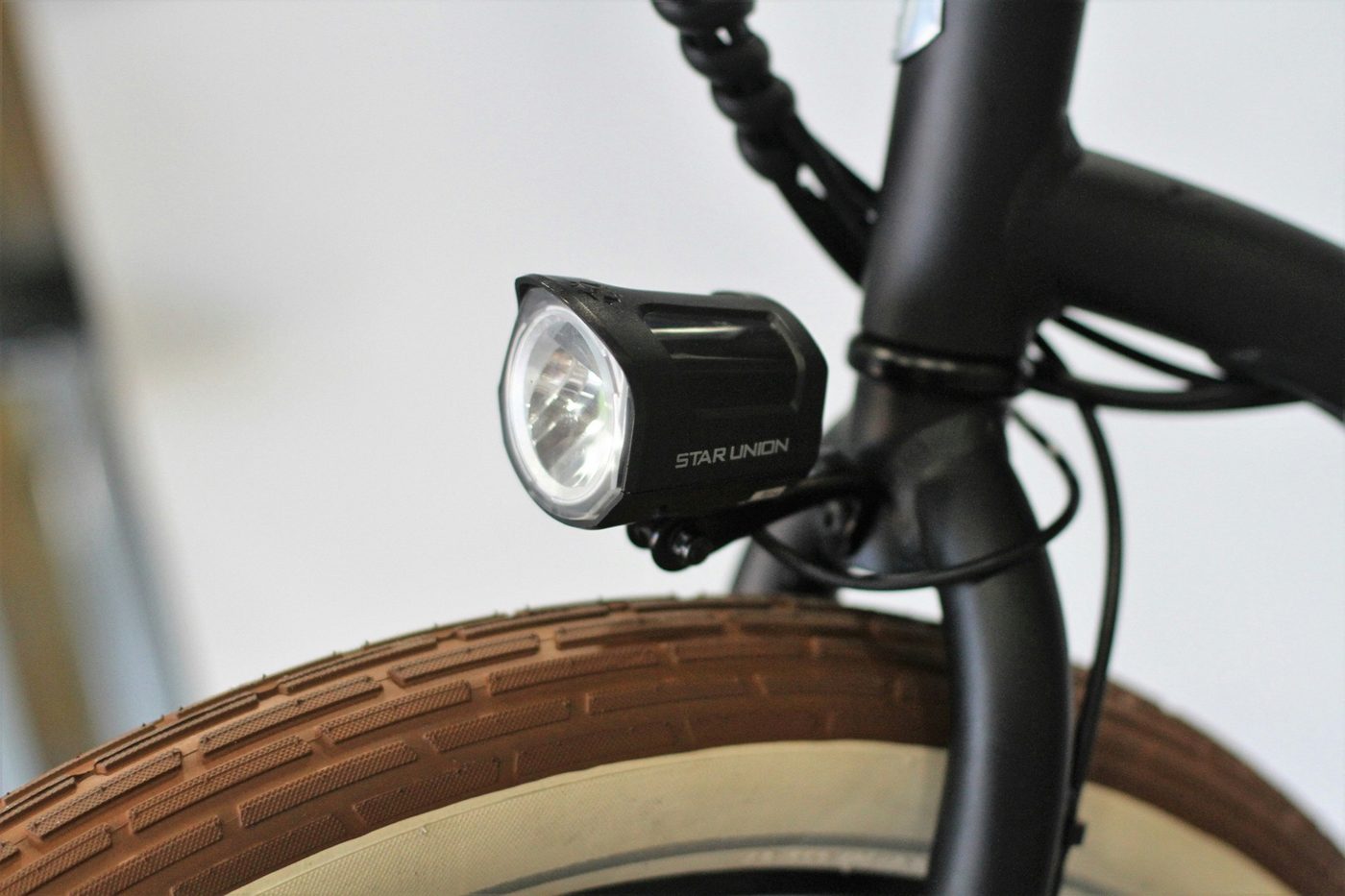
- decorative lights when the bike already has strong integrated lighting
- random cargo straps, pouches, and organizers that turn the bike into clutter
Match accessories to the job
Buy for the ride you actually do
- Apartment commuter: lock, bag setup, fenders, maybe a removable-battery routine aid
- School-run parent: passenger or kid-carrying system first, then weather and bag upgrades
- Errand rider: basket or panniers before comfort toys
- Train or bus rider: folding convenience and easy-carry accessories matter more than cargo add-ons
Why the first accessory budget matters
This is where owners often waste money. They buy a few small “maybe useful” items and then realize they still do not have the two things that would have changed daily life: better security and a real way to carry groceries, a laptop, or school bags. Start there.
The smartest first-week accessory order
Most buyers should buy in this order: lock, lights if the stock setup is weak, a way to carry stuff, basic flat-repair coverage, then weather or comfort upgrades. That order works because it covers the problems that stop you from using the bike at all. Fancy accessories are easy to delay. A bad lock setup, nowhere to put your laptop, or no way to deal with a flat is what actually turns a weekday ride into a hassle.
It also helps to buy accessories that simplify routine instead of adding clutter. One solid pannier or trunk bag is usually better than three small storage add-ons. One dependable lock you will always carry is better than a more elaborate setup you leave at home because it is annoying. The right accessory list is the one that makes the bike easier to grab and go.
Bottom line
The best first accessories are the ones that make the bike easier to park, carry, and use in normal weather. Security and carrying gear usually deserve your first dollars. Fancy extras can wait until the bike has proven what you actually need.
Buy accessories in this order
- Lock setup first: because theft kills ownership faster than any other problem.
- Helmet and lights next: especially if the bike did not come with strong integrated lighting or if you ride early or late.
- Carrying solution after that: rear rack, pannier, basket, or backpack alternative depending on how you actually use the bike.
- Weather and flat-kit items last: pump, tube or plug setup, rain cover, gloves, and small routine items.
Accessories that look exciting but can wait
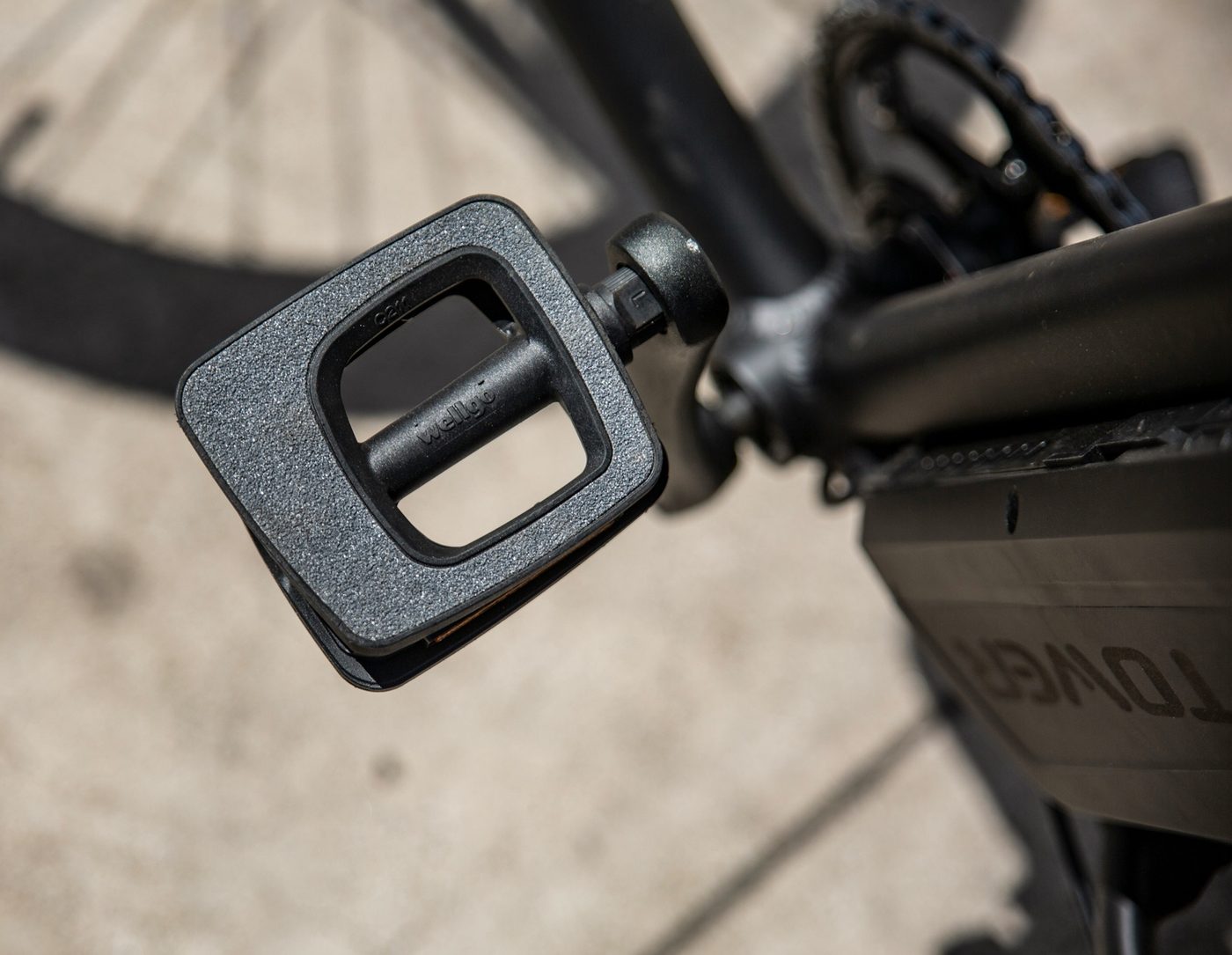
Phone mounts, fancy mirrors, suspension seatposts, upgraded pedals, and style-driven add-ons can all be nice, but they are rarely the first problem to solve. Early ownership goes better when you cover the boring stuff first: security, visibility, carrying, and flat or charging routine.
Best first-accessory question
Do not ask what accessory is most popular. Ask what would make tomorrow's ride easier, safer, or less stressful. That answer is usually a lock, a bag solution, or better lighting, not a fun extra.